
Addiction Medicine
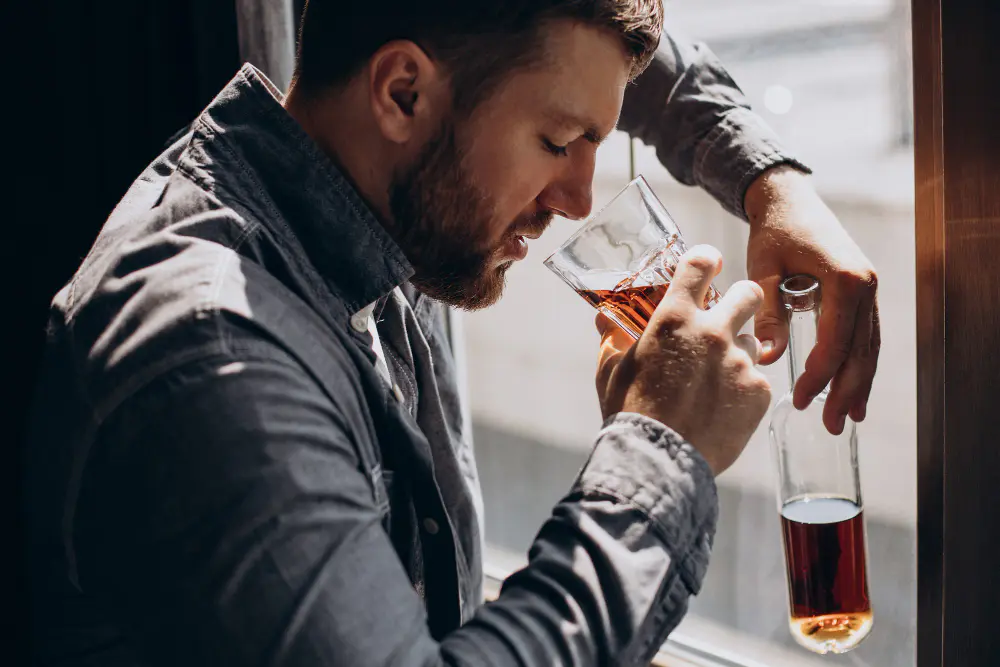
Addiction Medicine and Recovery Care in Malden, MA
Addiction medicine in Malden, MA starts with listening. At Olaemek Health & Wellness Services, we care for adults dealing with alcohol, opioid, stimulant, or other substance use concerns. You can see us in person at our Malden office, or meet online from home in any of the seven states we serve. There is no judgment here. We explain your options clearly and build a plan with you, one step at a time.
Understanding Substance Use Disorders
Substance use disorders may involve alcohol, opioids, stimulants, or other substances. The experience can include cravings, difficulty controlling use, increasing tolerance, withdrawal symptoms, or continued use despite adverse consequences.
The severity and effects of substance use vary. Some individuals seek help after noticing changes in their health or relationships, while others may have a history of previous treatment or repeated attempts to reduce or stop use.
A professional assessment can help clarify current concerns, identify possible risks, and determine the appropriate level and type of care.
What an Addiction Assessment Includes
An addiction medicine evaluation may explore the type of substance involved, frequency and pattern of use, duration, previous treatment, withdrawal history, medical conditions, and current medications.
The provider may also assess mental health symptoms, sleep, social circumstances, and the effect of substance use on daily functioning. Understanding co-occurring concerns is important because untreated psychiatric evaluation or other health conditions may complicate recovery.
Depending on the assessment, additional medical evaluation, laboratory testing, a higher level of care, or referral to specialized treatment may be necessary.
Medication Treatment for Addiction: Suboxone and Naltrexone
Medication management may be an appropriate part of treatment for certain substance use disorders. The options available depend on the substance involved, individual health considerations, clinical indications, and treatment goals.
For opioid use disorder, treatment may include buprenorphine-based medications, including Suboxone, or other appropriate medications. Naltrexone may be considered for certain alcohol or opioid use disorder treatment plans when clinically suitable.
These medications have different uses, precautions, and requirements. They are not interchangeable, and selection requires an individualized assessment.
Medication treatment may help address particular aspects of a substance use disorder, but it does not eliminate every challenge associated with recovery. Appropriate follow-up and additional support may also be important.
Recovery Planning and Harm Reduction
Recovery can involve changes in routines, relationships, health needs, and social circumstances. Treatment planning may address practical challenges and help individuals identify appropriate sources of support.
Depending on individual needs, recovery-oriented care may include:
Identifying situations associated with cravings or increased risk of use.
Developing strategies for managing triggers and high-risk circumstances.
Discussing relapse prevention and recovery goals.
Reviewing medication adherence and treatment response.
Exploring harm-reduction approaches when appropriate.
Considering the role of family, peer, or community support.
Coordinating with other treatment providers when needed.
Harm reduction focuses on practical ways to reduce health risks. Specific recommendations depend on the substance involved, current circumstances, and appropriate clinical guidance.
Addiction and Mental Health Together
Substance use concerns can coexist with depression, anxiety, mood disorders, trauma-related symptoms, and other mental health conditions. Sometimes symptoms overlap, making it difficult to determine which factors are contributing to current difficulties.
A coordinated approach considers both substance use and mental health needs. Treatment planning may involve medication management, addiction medicine, additional behavioral health services, or referral to a specialized program.
When You May Need a Higher Level of Care
Some situations require more intensive support than routine outpatient appointments can provide. Severe withdrawal risks, acute intoxication, significant medical complications, or immediate safety concerns may require urgent medical evaluation or specialized treatment.
The appropriate setting depends on clinical assessment, substance use history, physical health, and the level of monitoring required.
An Individualized Approach to Recovery
Recovery is not identical for everyone. Treatment needs may change as symptoms, circumstances, and goals evolve. Ongoing assessment can help evaluate progress, review safety, and determine whether the care plan remains appropriate.
Addiction medicine focuses on the individual’s health and treatment needs rather than treating substance use as an isolated issue.
All Services
Therapies & Treatments
Contact Information
- (857) 206-1553
- info@olaemek.com
-
Massachusetts Location:
75 Pleasant Street Malden, MA 02148